Up To 20% OFF During Our Sale

How to Choose Multi-Functional Furniture for Modern Homes

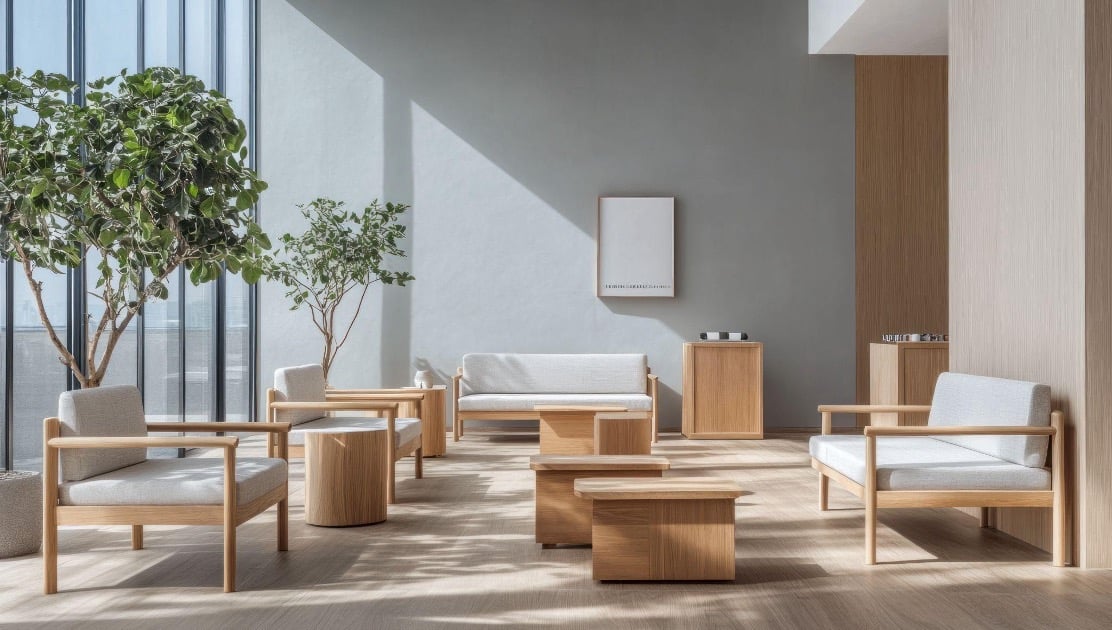
Modern homes ask a lot from the spaces we live in. Open layouts, compact rooms, hybrid work schedules, and changing family needs mean that furniture must work harder and smarter. Multi-functional furniture offers flexibility without compromising style. The key lies in choosing pieces that genuinely support your lifestyle rather than simply filling square footage.
Understand How You Actually Use Your Space
Before purchasing any multi-functional piece, take time to evaluate how each area of your home functions throughout the week. A living room may double as a workspace during business hours. A dining area may host guests occasionally, yet serve as a homework station in the evening. When you identify patterns of use, you can prioritize furniture that adapts to those transitions.
For example, if you regularly host overnight guests but lack a dedicated guest room, a high-quality sofa bed with a supportive mattress becomes a strategic investment. If you work from home several days a week, a storage ottoman that conceals office supplies keeps your living space tidy without sacrificing comfort. Matching furniture to real habits ensures every piece earns its place.
Prioritize Smart Storage Integration
One of the strongest advantages of multi-functional furniture is hidden storage. Clutter accumulates quickly in modern homes, especially in apartments or compact houses. Furniture that integrates storage helps maintain a calm, organized environment.
Look for beds with built-in drawers that utilize underused floor space. Coffee tables with lift tops can store books, electronics, or remote controls while also providing a raised work surface. Benches with internal compartments near entryways create an efficient drop zone for shoes and seasonal accessories.
Evaluate how accessible the storage is. Drawers that glide smoothly and compartments that open easily will actually get used. If accessing storage feels inconvenient, the feature loses its value. Thoughtful design details determine long-term satisfaction.
Focus on Proportion and Scale
Multi-functional furniture should enhance a room’s layout rather than overwhelm it. Many homeowners are drawn to pieces that promise versatility but overlook scale. A bulky convertible sectional in a compact living room can restrict movement and block natural light.
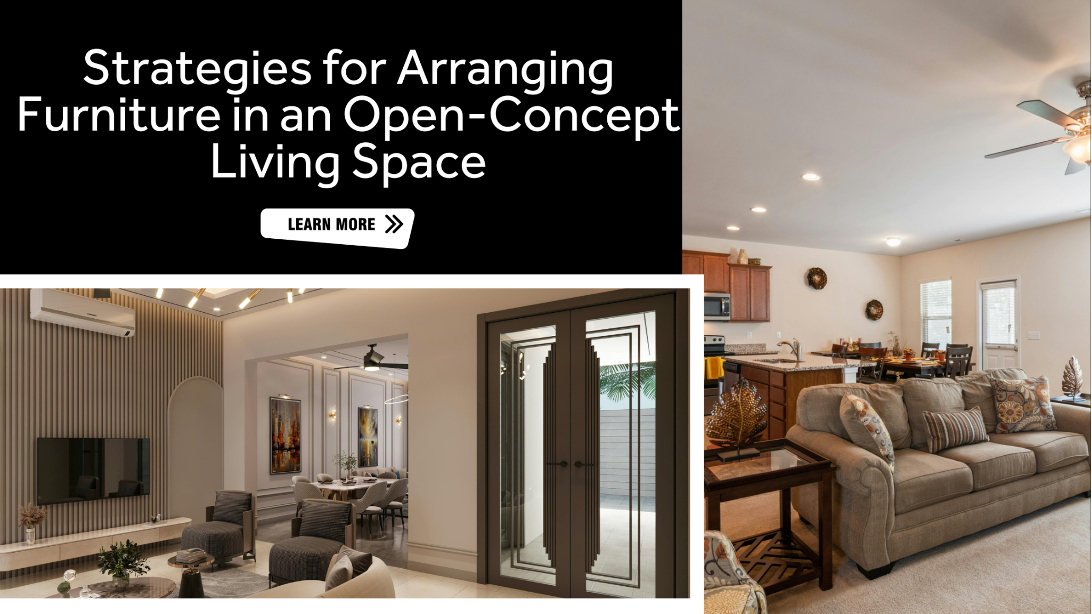
Measure carefully before purchasing. Consider doorways, hallways, and staircases to ensure delivery is feasible. In open concept spaces, choose pieces that visually define zones without creating barriers. For instance, a streamlined bookshelf can subtly separate a living area from a dining space while providing display and storage.
Lighter color palettes and elevated legs can make larger pieces feel less heavy. Balance is essential. A room should feel intentional and breathable.
Evaluate Build Quality and Mechanisms
Multi-functional furniture often contains moving parts. Fold-out beds, extendable tables, and modular seating systems rely on mechanisms that must endure repeated use. Prioritize durability over novelty.
Test hinges, sliding tracks, and locking systems in person whenever possible. Smooth operation indicates solid engineering. Materials matter as well. Solid wood frames, reinforced joints, and high-density foam cushioning extend lifespan and comfort.
It is helpful to think about frequency. A dining table that extends for occasional gatherings may tolerate a simpler mechanism. A desk that converts daily requires stronger construction. Investing in quality reduces repair costs and frustration later.
Seek Adaptability Without Visual Compromise
Function should align with aesthetics. Multi-functional pieces should integrate seamlessly into your design style. Whether your home reflects minimalism, contemporary warmth, or classic detailing, choose furniture that complements your vision.
Modular sofas allow reconfiguration as family needs change. Nesting tables can expand surface area when entertaining and tuck away afterward. Wall-mounted desks that fold up maintain clean lines in smaller rooms.
Consider finishes and upholstery that coordinate with existing elements. Neutral tones often provide longevity, while subtle textures add interest. When versatility blends with visual harmony, your home feels cohesive rather than pieced together.
Choosing multi-functional furniture requires clarity, careful measurement, and attention to craftsmanship. With intentional selection, each piece supports comfort, organization, and design cohesion. A well planned home feels adaptable and inviting, ready to support the rhythms of modern life.